How to Be an Effective and Loving Father
TL;DR
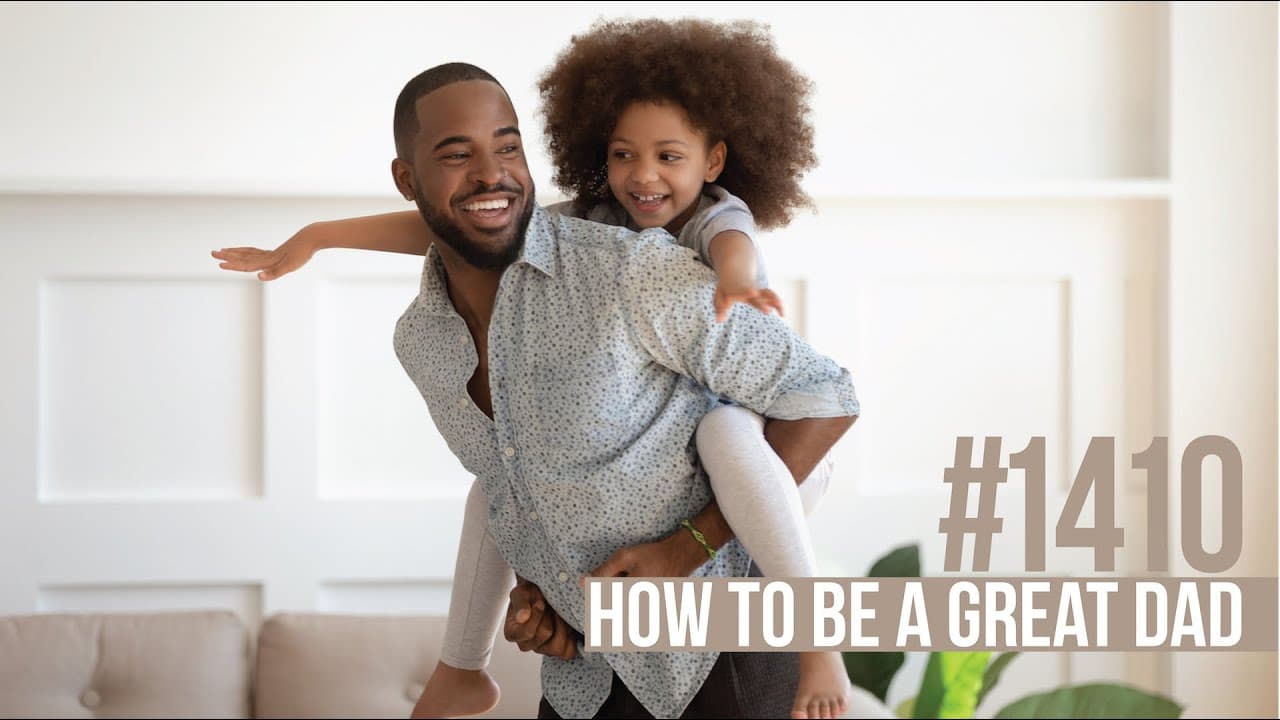
Being a great dad involves being present, showing how to treat others, and leading by example. Fathers should engage in roughhousing to teach gentleness and comfort with appropriate physical contact. Providing security, showing vulnerability, and offering unconditional love are crucial. Discipline should be balanced with affection, and parents must present a united front. Letting children fail and understanding the power of words are essential for their growth.
Transcript
you're listening to mind pump the world's number one ranked fitness health and entertainment podcast now in this episode we talk about how to be a great dad how to be a great father now justin adam and myself we're all dads we find a lot of value in fatherhood it's the most important thing that we think we do in the world and it's a topic we like t... Read More
Key Insights
- Being present is crucial for fathers, not just physically but emotionally, to foster a strong connection with their children.
- Showing children how to treat others, especially women, is vital. Fathers set an example through their interactions with the children's mother.
- Leading by example is more impactful than words. Children learn behaviors and habits by observing their parents.
- Roughhousing with children teaches them gentleness and comfort with appropriate physical contact.
- Fathers provide a sense of security and safety, which is fundamental for a child's development.
- Displaying vulnerability is important. It teaches children that it's okay to express emotions and admit mistakes.
- Unconditional love should be evident, ensuring children know they are loved regardless of their actions.
- Discipline and structure are essential, but they should be balanced with affection to foster a healthy environment.
Install to Summarize YouTube Videos and Get Transcripts
Explore YouTube Video Summarizer or Get YouTube Transcript Extractor
Questions & Answers
Q: How can fathers be more present with their children?
Fathers can be more present by actively engaging in their children's activities, setting aside distractions like phones, and establishing routines that involve quality time. Being emotionally available and showing genuine interest in their child's day-to-day life helps build a strong connection.
Q: Why is roughhousing important for children?
Roughhousing is important as it teaches children how to be gentle during physical interactions and helps daughters understand appropriate physical contact. It also fosters a sense of trust and bonding between father and child, making them comfortable with physical affection.
Q: What role does vulnerability play in fatherhood?
Vulnerability in fatherhood shows children that it's okay to express emotions and admit mistakes. It helps them understand that being human involves experiencing a range of emotions and that it's normal to seek help or comfort when needed.
Q: How can fathers teach discipline effectively?
Fathers can teach discipline by setting clear boundaries and expectations, being consistent with rules, and explaining the reasons behind them. Balancing discipline with affection ensures that children understand the importance of rules while feeling loved and supported.
Q: Why should fathers let their children fail?
Allowing children to fail teaches them resilience and problem-solving skills. It helps them understand the consequences of their actions and encourages them to learn from mistakes, fostering independence and confidence in their abilities.
Q: How can fathers support mothers and show a united front?
Fathers can support mothers by communicating openly about parenting decisions and ensuring they back each other's choices in front of the children. Disagreements should be discussed privately to present a consistent and united approach to parenting.
Q: What is the impact of a father's words on their children?
A father's words can significantly impact a child's self-esteem and perception of their abilities. Constructive criticism that focuses on effort and improvement rather than inherent traits helps children develop a growth mindset and encourages them to strive for better.
Q: How does showing unconditional love affect children?
Showing unconditional love provides children with a secure foundation, knowing they are loved regardless of their actions. It builds their confidence and emotional security, allowing them to explore and learn without fear of losing parental love.
Summary & Key Takeaways
-
Fathers should be present and emotionally available, showing children how to treat others respectfully and leading by example. This involves being both a disciplinarian and a source of unconditional love.
-
Engaging in roughhousing helps children learn gentleness and appropriate physical contact, while providing security and displaying vulnerability teaches them about emotional expression.
-
Discipline should be balanced with affection, and parents must present a united front. Allowing children to fail and understanding the power of words are crucial for their growth and development.
Read in Other Languages (beta)
Share This Summary 📚
Summarize YouTube Videos and Get Video Transcripts with 1-Click
Try YouTube Summary with ChatGPT & Claude or YouTube Transcript Generator
Explore More Summaries from Mind Pump Show 📚





Summarize YouTube Videos and Get Video Transcripts with 1-Click
Try YouTube Summary with ChatGPT & Claude or YouTube Transcript Generator