Who Overtrains: Identifying 8 Common Profiles
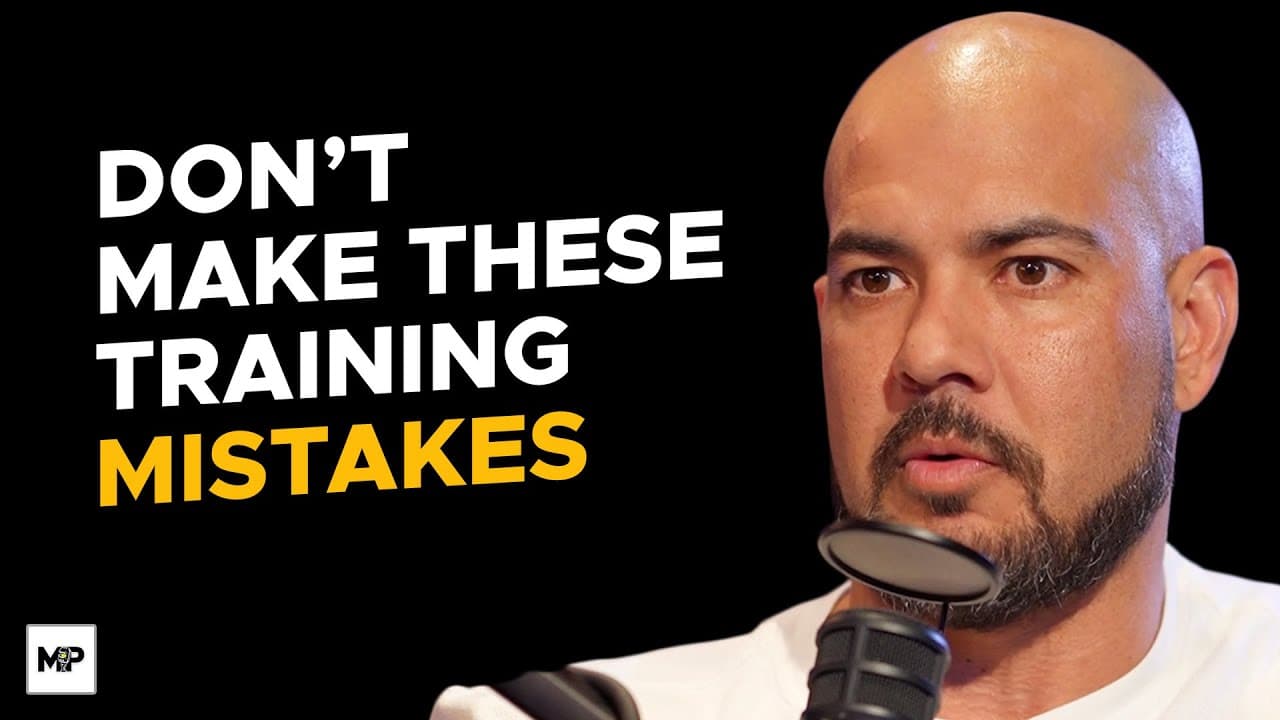
TL;DR
Overtraining can hinder progress and harm health, often affecting those who push themselves excessively. Common profiles include competitive athletes, type-A personalities, and postpartum moms. Recognizing signs like poor sleep and fatigue can help prevent it. Balancing exercise with recovery is crucial for optimal results.
Transcript
here are the eight people who are most likely to overtrain wo let's talk about this our goal today is to piss off everybody watching this that's how you should open not me Hey listen one of the one of the the benefits of working in gyms for as long as we did is you start to see patterns right you start to see avatars if you will and so and I know I... Read More
Key Insights
- Overtraining is doing more exercise than necessary for fitness goals, leading to compromised recovery and progress.
- Exercise induces a hormetic effect, where stress strengthens the body, but excessive stress can be harmful.
- The 'cortisol junkie' is a common profile, where individuals become addicted to stress-induced energy spikes.
- Signs of overtraining include poor sleep, low libido, strong food cravings, and increased injury risk.
- Competitors often overtrain by dramatically increasing workload for competitions, risking long-term health.
- Type-A personalities may overtrain due to their work-hard mentality, often ignoring the need for rest.
- Using exercise as a drug can mask underlying issues, leading individuals to overtrain to distract from emotional pain.
- Postpartum moms may overtrain in an effort to quickly regain pre-pregnancy fitness levels, risking injury and hormonal imbalance.
Install to Summarize YouTube Videos and Get Transcripts
Explore YouTube Video Summarizer or Get YouTube Transcript Extractor
Questions & Answers
Q: What is overtraining and how can it affect progress?
Overtraining occurs when you exercise more than necessary to achieve your fitness goals, leading to compromised recovery and adaptation. This can slow progress, cause fatigue, and increase the risk of injury. Recognizing signs like poor sleep and strong food cravings can help prevent overtraining and ensure balanced workouts.
Q: How does cortisol affect individuals who overtrain?
Cortisol is a stress hormone that provides energy by breaking down tissue. In individuals who overtrain, cortisol spikes can provide a temporary energy boost, making them feel good. However, over time, excessive cortisol can lead to negative effects such as fat storage, muscle degradation, and increased stress, creating a cycle of dependency on high-intensity exercise.
Q: What are the common signs of overtraining?
Common signs of overtraining include poor sleep, low libido, strong food cravings, hot and cold intolerance, increased inflammation, and a high rate of fatigue and injury. Recognizing these signs early can help individuals adjust their training regimen to prevent further negative health impacts.
Q: Why are postpartum moms at risk of overtraining?
Postpartum moms may overtrain due to a desire to quickly regain their pre-pregnancy fitness levels. This can lead to injury and hormonal imbalances, as their bodies are still recovering from childbirth. It’s important for postpartum moms to gradually increase exercise intensity and prioritize recovery to ensure long-term health and fitness.
Q: How can ex-athletes avoid overtraining when returning to exercise?
Ex-athletes may overtrain by attempting to exercise at the intensity they did during their peak training years. To avoid this, they should gradually increase exercise intensity, focus on recovery, and adjust their diet to current activity levels. Understanding that past training volumes are no longer necessary for health and fitness is crucial.
Q: What role does exercise play as a coping mechanism?
Exercise can serve as a coping mechanism for individuals dealing with emotional pain or trauma, leading them to overtrain as a form of distraction. While exercise can provide temporary relief, it’s important to address underlying issues to prevent dependency and ensure a balanced approach to health and fitness.
Q: Why do fitness professionals tend to overtrain?
Fitness professionals often overtrain due to a love for exercise and body image concerns. They may feel compelled to maintain an ideal physique to inspire others. However, they should recognize that more exercise is not always better and that balanced training with adequate recovery is essential for long-term health and effectiveness as a coach.
Q: How can New Year’s resolutionists prevent overtraining?
New Year’s resolutionists often overtrain due to hyper-motivation, setting unrealistic goals based on temporary enthusiasm. To prevent overtraining, they should set realistic, incremental goals and focus on building sustainable habits. Starting with manageable exercise routines and gradually increasing intensity can help maintain motivation and prevent burnout.
Summary & Key Takeaways
-
Overtraining can significantly slow down progress and negatively impact health. It is often seen in individuals who push themselves excessively, such as competitive athletes, type-A personalities, and those using exercise as a coping mechanism. Recognizing signs like poor sleep, fatigue, and increased injury risk is crucial for prevention.
-
Exercise should be balanced with adequate recovery to achieve optimal results. Common signs of overtraining include poor sleep, low libido, and strong food cravings. Individuals like postpartum moms and ex-athletes may unknowingly overtrain due to unrealistic expectations based on past fitness levels.
-
Fitness professionals are also prone to overtraining due to a love for exercise and body image concerns. It’s important to understand that more exercise is not always better, and that effective training requires a balance of effort and recovery to support long-term health and fitness goals.
Read in Other Languages (beta)
Share This Summary 📚
Summarize YouTube Videos and Get Video Transcripts with 1-Click
Try YouTube Summary with ChatGPT & Claude or YouTube Transcript Generator
Explore More Summaries from Mind Pump Show 📚

Summarize YouTube Videos and Get Video Transcripts with 1-Click
Try YouTube Summary with ChatGPT & Claude or YouTube Transcript Generator