How Do Psychedelics Affect Mental Health?
TL;DR
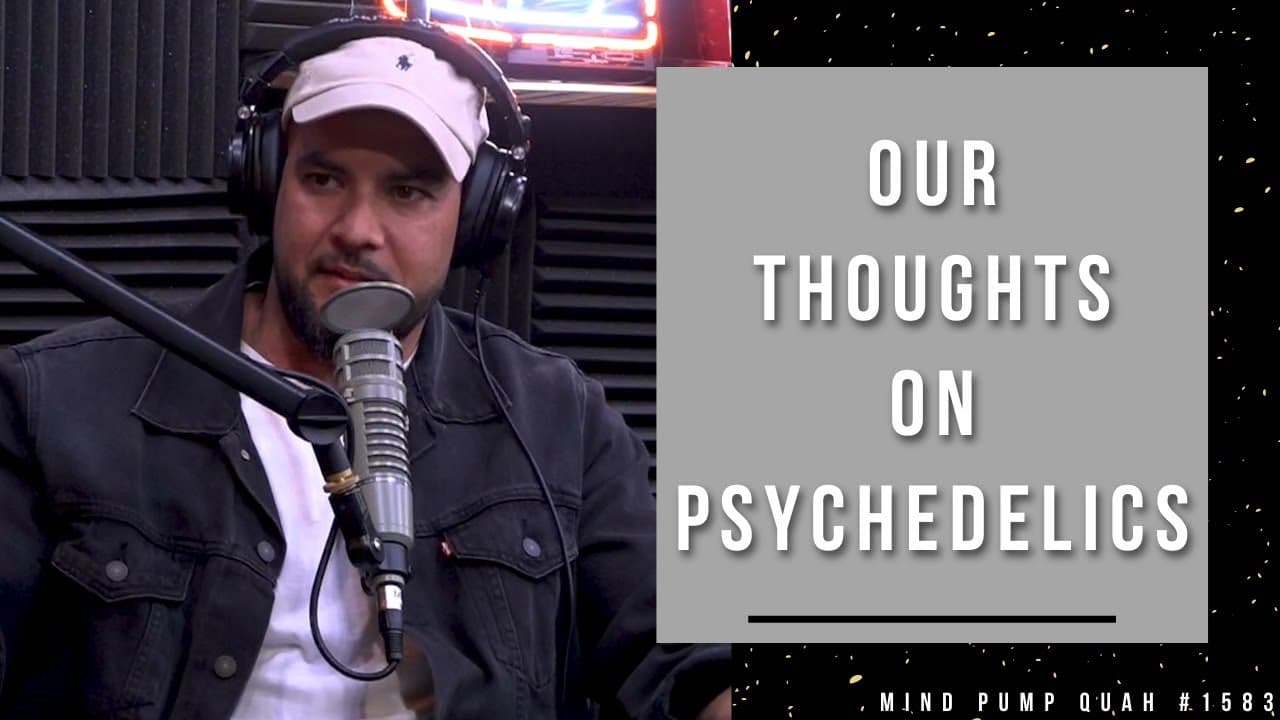
Psychedelics, when used responsibly and in the right environment, can help treat psychiatric disorders like depression and PTSD. They promote new neural connections, allowing individuals to process traumatic experiences. However, they must be respected and used under professional guidance to prevent potential harm.
Transcript
next question is from audrey smith 19. what are your thoughts on psychedelics oh my gosh oh yeah i could tell it yeah it seems that that this hasn't been a as big of a conversation in our space like i don't know like well that was huge right it was like everybody was doing these retreats and and having these like totally uh crazy epiphanies that th... Read More
Key Insights
- Psychedelics can be effective in treating psychiatric disorders such as depression and PTSD.
- The U.S. government's scheduling of psychedelics as illegal hindered research for decades.
- Psychedelics promote new neural pathways, helping individuals process trauma.
- Therapeutic use of psychedelics requires professional guidance and a controlled environment.
- Psychedelics can potentially cause harm if misused or taken recreationally.
- The integration of psychedelic experiences is crucial for long-term benefits.
- Microdosing can lead to breakthroughs in personal relationships and communication.
- Future psychiatric breakthroughs may surpass current antidepressant treatments.
Install to Summarize YouTube Videos and Get Transcripts
Explore YouTube Video Summarizer or Get YouTube Transcript Extractor
Questions & Answers
Q: How do psychedelics impact mental health?
Psychedelics impact mental health by promoting new neural connections, which can help individuals process and reconcile traumatic experiences. They have shown promise in treating disorders like depression and PTSD, but must be used under professional supervision to ensure safety and effectiveness.
Q: What is the historical context of psychedelics in the U.S.?
In the U.S., psychedelics were made illegal in the 1960s and 70s, largely as a response to counterculture movements. This legal status hindered research and contributed to a societal perception of psychedelics as either dangerous or trivial, despite their potential therapeutic benefits.
Q: Why is professional guidance important in psychedelic therapy?
Professional guidance is crucial in psychedelic therapy to ensure a controlled environment where the individual can safely explore and process their experiences. Without expert supervision, there is a risk of adverse effects, including exacerbation of trauma or development of new psychological issues.
Q: What are the risks of recreational psychedelic use?
Recreational use of psychedelics poses risks such as psychological distress, development of post-traumatic stress, and potential misuse. Without a therapeutic setting, individuals may not integrate their experiences effectively, leading to negative outcomes rather than the intended therapeutic benefits.
Q: How do psychedelics facilitate new neural pathways?
Psychedelics facilitate new neural pathways by disrupting established thought patterns and promoting neuroplasticity. This can help individuals break free from repetitive, negative thinking and open up new ways of processing information and emotions, particularly in the context of trauma.
Q: What is the role of integration in psychedelic therapy?
Integration involves applying insights gained during a psychedelic experience to one's daily life. This ongoing process is essential for translating the temporary state of altered consciousness into lasting personal growth and healing, preventing individuals from merely chasing the psychedelic experience.
Q: Can psychedelics enhance personal relationships?
Psychedelics can enhance personal relationships by fostering empathy and open communication. They may help individuals understand each other's perspectives more deeply, resolve longstanding issues, and develop stronger emotional connections, as evidenced by personal anecdotes of breakthroughs in relationships.
Q: What future breakthroughs are expected in psychedelic research?
Future breakthroughs in psychedelic research are expected to revolutionize psychiatric treatment, potentially surpassing current methods like antidepressants. As research continues, psychedelics may offer more effective solutions for mental health disorders, based on their ability to promote profound psychological and neurological changes.
Summary & Key Takeaways
-
Psychedelics, like psilocybin and MDMA, show promise in treating mental health disorders by opening new neural pathways and helping individuals process trauma. However, their use should be guided by professionals to avoid potential harm and maximize therapeutic benefits.
-
The historical stigma and legal status of psychedelics in the U.S. have limited research, but recent studies highlight their potential in mental health treatment. Responsible use and integration of experiences are key to achieving positive outcomes.
-
Personal anecdotes and scientific research suggest that psychedelics can enhance empathy and communication, aiding in resolving long-standing personal issues. The potential for misuse exists, emphasizing the need for careful, guided use.
Read in Other Languages (beta)
Share This Summary 📚
Summarize YouTube Videos and Get Video Transcripts with 1-Click
Try YouTube Summary with ChatGPT & Claude or YouTube Transcript Generator
Explore More Summaries from Mind Pump Show 📚






Summarize YouTube Videos and Get Video Transcripts with 1-Click
Try YouTube Summary with ChatGPT & Claude or YouTube Transcript Generator