How to Combat the Obesity Epidemic Effectively
TL;DR
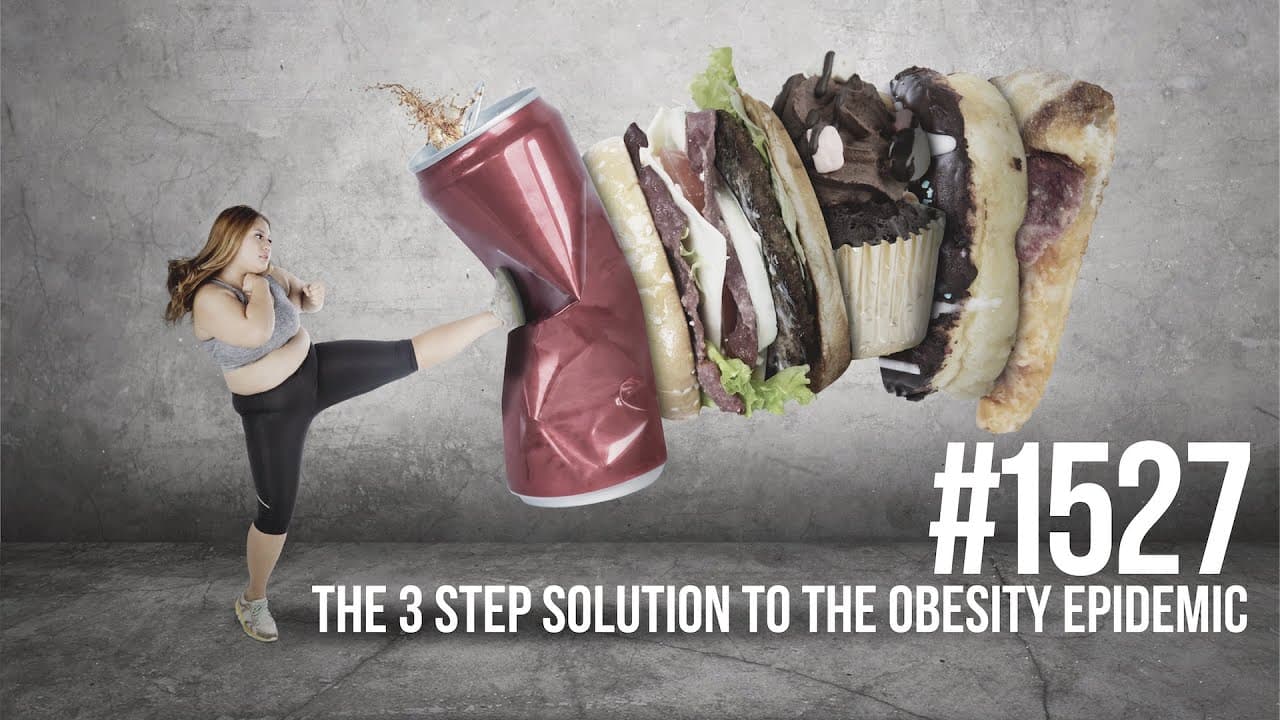
To tackle the obesity epidemic, focus on reducing heavily processed foods, engaging in resistance training, and increasing awareness while eating. This approach not only aids in weight management but also improves overall health. By prioritizing whole foods and mindful eating, individuals can naturally regulate their calorie intake and enhance their body's resilience to diseases.
Transcript
hey you're lucky you know why we got a great giveaway for you today on the world's number one fitness health entertainment podcast of course this is my book okay we're gonna give away a free shredded summer bundle okay so here's what comes along with that you get maps aesthetic maps prime maps it and the intuitive nutrition guide that's four amazin... Read More
Key Insights
- Obesity is defined by a BMI greater than 30, but BMI has limitations as it doesn't differentiate between muscle and fat.
- Around 70% of Americans are overweight, with 45% being obese, significantly increasing health risks.
- Processed foods make up 70% of the average American's diet, leading to overeating and weight gain.
- Reducing processed food intake to less than 10% of the diet can naturally lead to weight loss.
- Resistance training is crucial for building muscle, increasing metabolism, and improving insulin sensitivity.
- Eating while distracted, such as watching TV, leads to overeating due to lack of awareness.
- Mindful eating involves being present and aware of hunger cues, reducing the likelihood of overeating.
- Addressing the root causes of emotional eating, possibly with therapy, can support long-term weight management.
Install to Summarize YouTube Videos and Get Transcripts
Explore YouTube Video Summarizer or Get YouTube Transcript Extractor
Questions & Answers
Q: How can reducing processed foods help with weight loss?
Reducing processed foods helps with weight loss by naturally decreasing calorie intake. Processed foods are engineered to be hyper-palatable, leading to overeating. By focusing on whole, natural foods, individuals can better regulate their hunger and satiety signals, making it easier to consume appropriate portions and maintain a healthy weight.
Q: Why is resistance training important for combating obesity?
Resistance training is important for combating obesity because it builds muscle, which increases metabolism and improves insulin sensitivity. Unlike other exercises focused on calorie burning, resistance training promotes long-term metabolic health. A higher muscle mass helps the body burn more calories at rest, making it easier to maintain a healthy weight and improve overall health.
Q: What role does mindful eating play in managing weight?
Mindful eating plays a crucial role in managing weight by promoting awareness of hunger and satiety cues. Eating without distractions, such as watching TV, helps individuals become more attuned to their body's signals, reducing the likelihood of overeating. By being present during meals, people can make healthier food choices and develop better eating habits.
Q: How does obesity affect mental health?
Obesity affects mental health by increasing the risk of depression and anxiety. Excess body fat leads to higher inflammation levels, which are linked to mental health disorders. Additionally, societal stigma and personal dissatisfaction with body image can contribute to poor mental health. Addressing obesity can improve both physical and mental well-being.
Q: What are the health risks associated with obesity?
Obesity is associated with numerous health risks, including increased risk of type 2 diabetes, heart disease, stroke, certain cancers, and sleep apnea. It also contributes to higher all-cause mortality rates. Addressing obesity through diet and exercise can significantly reduce these risks and improve overall health and longevity.
Q: Why is BMI not a perfect measure of obesity?
BMI is not a perfect measure of obesity because it does not differentiate between muscle and fat. A person with high muscle mass may have a high BMI but low body fat percentage, while someone with low muscle mass may have a normal BMI but high body fat. BMI can misclassify individuals, making it important to consider other factors like body composition.
Q: How can therapy support weight management?
Therapy can support weight management by addressing the emotional and psychological factors contributing to overeating. Many individuals use food as a coping mechanism for stress, anxiety, or trauma. Therapy can help individuals develop healthier coping strategies, improve self-awareness, and build a positive relationship with food, aiding long-term weight management.
Q: What strategies can increase awareness while eating?
Strategies to increase awareness while eating include eliminating distractions like TV or phones, eating slowly, and focusing on the sensory experience of food. Practices such as putting down utensils between bites, using non-dominant hands, or writing down feelings before meals can also promote mindfulness. These techniques help individuals recognize hunger cues and prevent overeating.
Summary & Key Takeaways
-
The obesity epidemic can be addressed by significantly reducing the intake of heavily processed foods, which currently make up 70% of the American diet. Processed foods lead to overeating due to their engineered palatability. By focusing on whole, natural foods, individuals can better regulate their calorie intake and promote weight loss.
-
Resistance training is recommended as a primary form of exercise for combating obesity. It helps build muscle, increase metabolism, and improve insulin sensitivity, which are crucial for long-term weight management. Unlike other forms of exercise focused solely on calorie burning, resistance training offers sustainable health benefits.
-
Mindful eating, which involves being present and aware during meals, can prevent overeating. Distractions like watching TV while eating can lead to excessive calorie consumption. By focusing on the eating experience and recognizing hunger cues, individuals can develop healthier eating habits.
Read in Other Languages (beta)
Share This Summary 📚
Summarize YouTube Videos and Get Video Transcripts with 1-Click
Try YouTube Summary with ChatGPT & Claude or YouTube Transcript Generator
Explore More Summaries from Mind Pump Show 📚



Summarize YouTube Videos and Get Video Transcripts with 1-Click
Try YouTube Summary with ChatGPT & Claude or YouTube Transcript Generator