How to Overcome a Workout Plateau and Improve Results
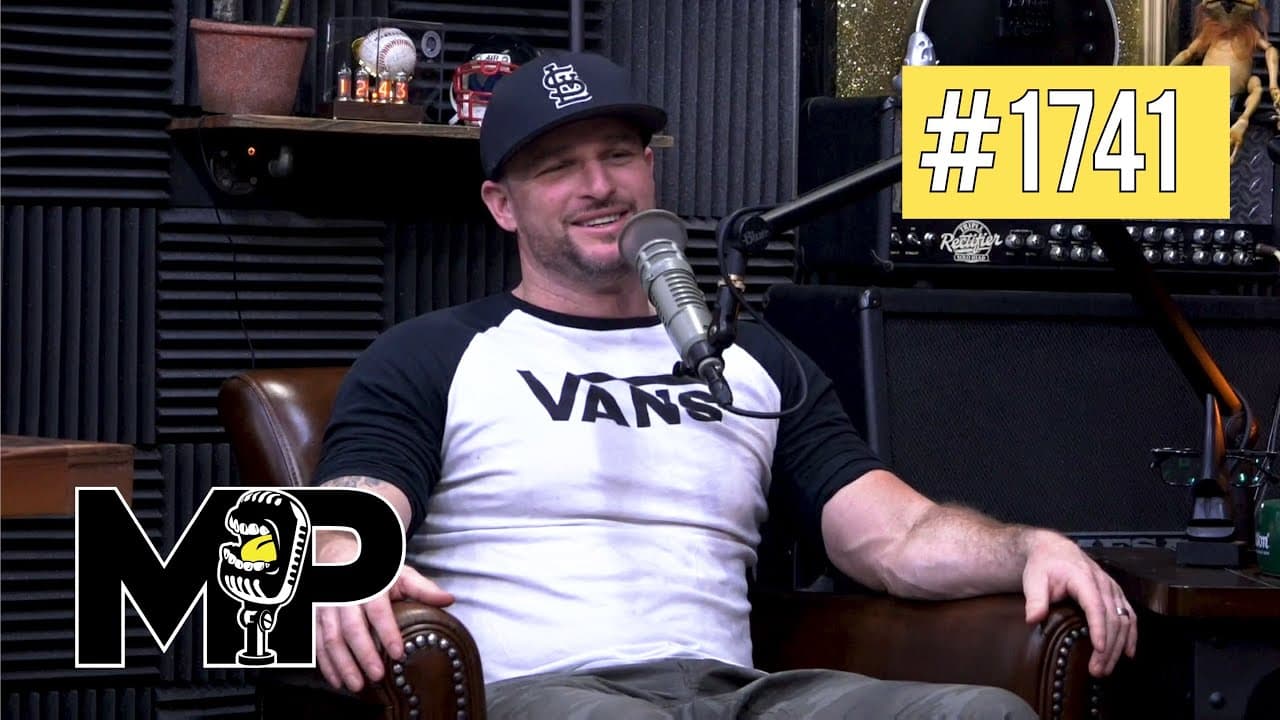
TL;DR
Counting calories and macros is not a sustainable approach for long-term weight loss. It can lead to neurotic eating habits and stress, which are counterproductive. Instead, focus on understanding food and building natural, comfortable eating habits. Education on food is crucial, but behavior change is key to lasting success.
Transcript
what's up everybody happy february that means we have a new promotion going on but before i get into the promotion the programs that are on sale i'm going to give away to one of you lucky people for free so the two programs on sale are maps performance and maps aesthetic so one is for training like an athlete so you can move like an athlete the oth... Read More
Key Insights
- Counting calories and macros is not sustainable long-term; it can lead to neurotic eating habits.
- Understanding food and building natural eating habits is crucial for long-term success.
- Education on food is important, but behavior change is key to lasting weight loss.
- Tracking food intake is useful initially for educational purposes, but not as a permanent solution.
- The obesity epidemic is more about behavior and relationship with food than lack of information.
- Therapists focusing on behavior change can lead to more sustainable long-term success than strict diets.
- Stressful eating habits can lead to dysfunctional relationships with food and weight cycling.
- A balanced approach to fitness and nutrition, focusing on both education and behavior, is essential for sustainable results.
Install to Summarize YouTube Videos and Get Transcripts
Explore YouTube Video Summarizer or Get YouTube Transcript Extractor
Questions & Answers
Q: How to overcome a workout plateau?
To overcome a workout plateau, it's essential to change your routine by adjusting variables like intensity, volume, and exercise selection. Incorporating new exercises, increasing rest intervals, or focusing on different muscle groups can stimulate new growth. Ensure your nutrition and recovery are optimized, including adequate protein intake and sleep.
Q: Why is counting calories not sustainable for long-term weight loss?
Counting calories is not sustainable for long-term weight loss because it can lead to neurotic eating habits and stress. Constantly tracking food intake can create anxiety and a dysfunctional relationship with food. Instead, focus on understanding food and building natural, comfortable eating habits that support a healthy lifestyle.
Q: What is the role of behavior change in weight loss?
Behavior change is crucial in weight loss because it addresses the root causes of obesity, such as dysfunctional relationships with food and self-medication through eating. By focusing on behavior change, individuals can develop healthier eating habits and maintain weight loss long-term, unlike strict diets that often fail.
Q: How can education on food help with weight loss?
Education on food helps with weight loss by providing individuals with the knowledge to make informed choices about their diet. Understanding macronutrients, portion sizes, and the impact of food on the body can empower individuals to create balanced meals and develop sustainable eating habits that support weight management.
Q: What is the impact of stress on eating habits?
Stress can have a significant impact on eating habits by leading to emotional eating, overeating, or restrictive eating patterns. Stressful eating habits can create a dysfunctional relationship with food, resulting in weight cycling and difficulties in maintaining a healthy weight. Reducing stress and building natural eating habits can prevent these issues.
Q: How can tracking food intake be useful?
Tracking food intake can be useful initially for educational purposes, helping individuals understand their eating patterns and nutritional intake. It can highlight areas for improvement and increase awareness of portion sizes and macronutrient distribution. However, it should not be a permanent solution, as it can lead to stress and neurotic eating habits.
Q: What is the difference between short-term and long-term weight loss strategies?
Short-term weight loss strategies often involve strict diets and calorie counting, which can lead to quick results but are not sustainable. Long-term strategies focus on behavior change, education on food, and building natural eating habits. These approaches promote sustainable weight loss and prevent weight cycling and dysfunctional relationships with food.
Q: How does the obesity epidemic relate to behavior and information?
The obesity epidemic is more about behavior and dysfunctional relationships with food than a lack of information. Most people understand the basics of calorie intake and weight gain, but behavioral issues, such as emotional eating and self-medication with food, are the primary challenges. Addressing these behaviors is crucial for tackling obesity effectively.
Summary & Key Takeaways
-
Counting calories and macros is a short-term solution for weight loss that can lead to neurotic eating habits. Instead, focus on understanding food and building natural, comfortable eating habits for long-term success. Tracking can be educational but should not be a permanent approach.
-
The obesity epidemic is more about behavior and dysfunctional relationships with food than lack of information. Therapists focusing on behavior change can lead to more sustainable success than strict diets that often fail long-term.
-
A balanced approach to fitness and nutrition, focusing on both education and behavior change, is essential for sustainable results. Reducing stress and building natural eating habits can prevent dysfunctional relationships with food and weight cycling.
Read in Other Languages (beta)
Share This Summary 📚
Summarize YouTube Videos and Get Video Transcripts with 1-Click
Try YouTube Summary with ChatGPT & Claude or YouTube Transcript Generator
Explore More Summaries from Mind Pump Show 📚


Summarize YouTube Videos and Get Video Transcripts with 1-Click
Try YouTube Summary with ChatGPT & Claude or YouTube Transcript Generator