How to Gain 10-15 Pounds of Muscle in a Year
TL;DR
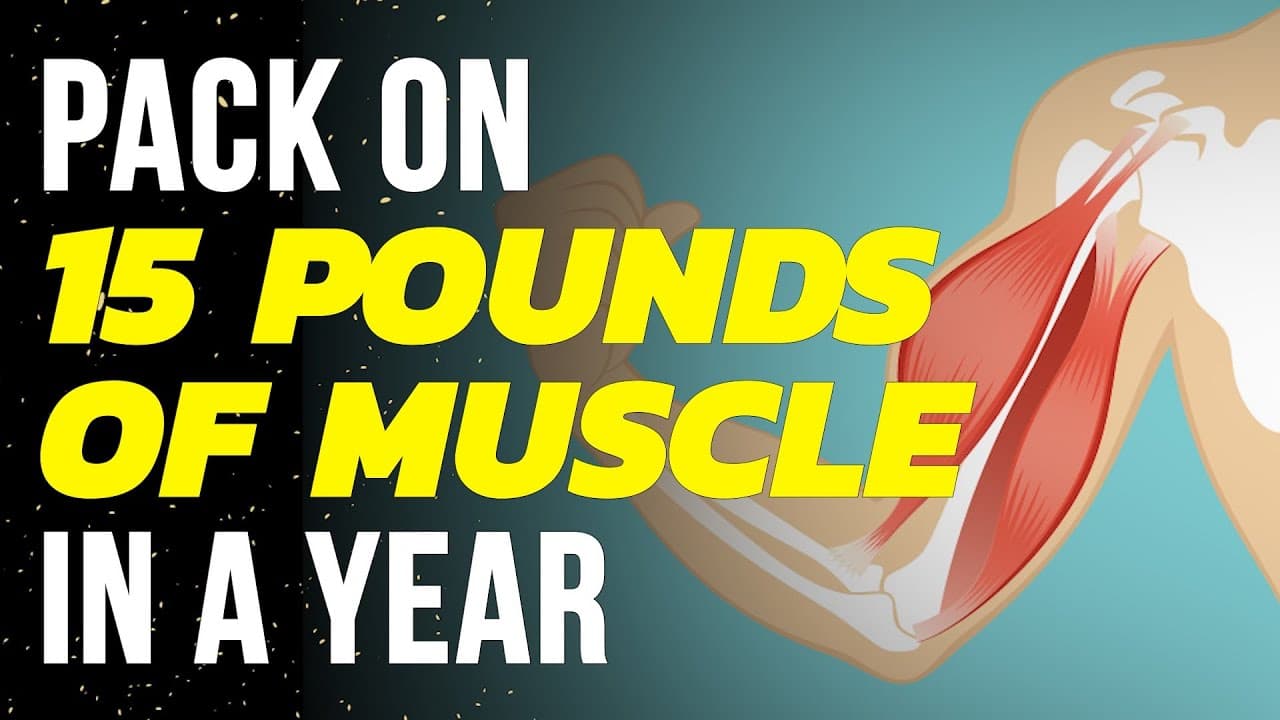
To gain 10-15 pounds of muscle in a year, focus on a structured training program with a mix of bulking and cutting phases. Track your calorie intake, aiming for a surplus, and adjust based on body fat changes. Prioritize protein intake and manage stress, sleep, and recovery effectively.
Transcript
trying to pack on 10 to 15 pounds of muscle in the next year watch this our first caller is kade from washington what's up kate how can we help you hey so i just had a question regarding basically optimizing muscle growth because so for i've been consistently training for about 10 years with a goal of just health and longevity but recently i found ... Read More
Key Insights
- Consistent training and a structured program are essential for muscle growth.
- A calorie surplus is necessary to gain muscle; aim for 500-1000 calories over maintenance.
- Tracking calories accurately using apps like MyFitnessPal can help manage intake.
- Maintaining a body fat percentage around 10% is ideal for bulking and cutting cycles.
- Protein intake should be about one gram per pound of body weight.
- Natural lifters often gain more muscle with 4-5 days of resistance training per week.
- Stress management and sleep optimization are crucial for muscle growth.
- Creatine is one of the most beneficial supplements for muscle gain.
Install to Summarize YouTube Videos and Get Transcripts
Explore YouTube Video Summarizer or Get YouTube Transcript Extractor
Questions & Answers
Q: How to optimize muscle growth over a year?
To optimize muscle growth, follow a structured training program with bulking and cutting phases. Maintain a calorie surplus of 500-1000 calories over maintenance, track your intake accurately, and ensure a protein intake of about one gram per pound of body weight. Manage stress and prioritize sleep for optimal recovery.
Q: What should my calorie intake be to gain muscle?
To gain muscle, aim for a calorie surplus of 500-1000 calories over your maintenance level. Track your calorie intake using apps like MyFitnessPal to ensure accuracy. Adjust your intake based on changes in body fat to avoid gaining excessive fat while building muscle.
Q: What is the ideal training frequency for muscle gain?
For natural lifters, training 4-5 days a week is often more effective for muscle gain than higher frequencies. This allows for sufficient recovery while still providing enough stimulus for muscle growth. Focus on resistance training and consider incorporating mobility work on rest days.
Q: How important is protein intake for muscle growth?
Protein intake is crucial for muscle growth, as it provides the building blocks needed for muscle repair and growth. Aim for about one gram of protein per pound of body weight daily. If you struggle to meet this target through food alone, consider supplementing with protein powder.
Q: What role does body fat percentage play in muscle building?
Maintaining a body fat percentage around 10% is ideal for muscle building, as it allows for effective bulking and cutting cycles. Staying within this range helps minimize the need for long cuts and supports a healthy metabolism, making it easier to gain muscle while managing fat levels.
Q: How can I manage stress and sleep for better muscle growth?
Managing stress and optimizing sleep are crucial for muscle growth, as they impact recovery and hormone levels. Incorporate stress-reducing activities such as meditation or yoga into your routine, and aim for 7-9 hours of quality sleep each night to support recovery and muscle building.
Q: What supplements are beneficial for muscle gain?
Creatine is one of the most beneficial supplements for muscle gain, as it enhances strength and performance. If you're not meeting your protein targets through food, consider using a protein powder supplement. These supplements can support your muscle-building efforts when combined with a proper diet and training program.
Q: Why is tracking calories important for muscle growth?
Tracking calories is important for muscle growth because it ensures you maintain a consistent calorie surplus, which is necessary for gaining muscle. Apps like MyFitnessPal help you log your intake accurately, allowing you to make necessary adjustments based on changes in body fat and muscle mass.
Summary & Key Takeaways
-
To gain muscle, follow a structured training program with bulking and cutting phases. Track your calorie intake, aiming for a surplus of 500-1000 calories over maintenance. Maintain a body fat percentage around 10% for optimal results and prioritize protein intake.
-
Training 4-5 days a week is effective for natural lifters to gain muscle. Managing stress and optimizing sleep are crucial components of muscle growth. Creatine is a beneficial supplement to support your muscle-building goals.
-
Accurate calorie tracking using apps like MyFitnessPal helps manage intake effectively. A calorie surplus and sufficient protein intake are necessary for muscle gain. Adjust your calorie intake based on changes in body fat to avoid excessive fat gain.
Read in Other Languages (beta)
Share This Summary 📚
Summarize YouTube Videos and Get Video Transcripts with 1-Click
Try YouTube Summary with ChatGPT & Claude or YouTube Transcript Generator
Explore More Summaries from Mind Pump Show 📚



Summarize YouTube Videos and Get Video Transcripts with 1-Click
Try YouTube Summary with ChatGPT & Claude or YouTube Transcript Generator